
Keeping good health without relying heavily on medicine is not only possible—it’s the foundation of long-term wellness. As a professor in preventive health, I’ll be direct: most chronic illnesses are not solved by medicine alone; they are managed or prevented by daily habits. Medicine should support health, not replace it.
Below is a structured, evidence-based approach to reducing medicine dependency while maintaining sound health:

1. Foundation Principle: “Health is Built Daily”
Your body is a self-repairing system. If you provide the right inputs—nutrition, movement, rest, and mental balance—it can prevent and even reverse many conditions like hypertension, diabetes (early stage), obesity, and stress disorders.
2. Natural Pillars of Health
A. Balanced Nutrition (Food as Primary Medicine)

6
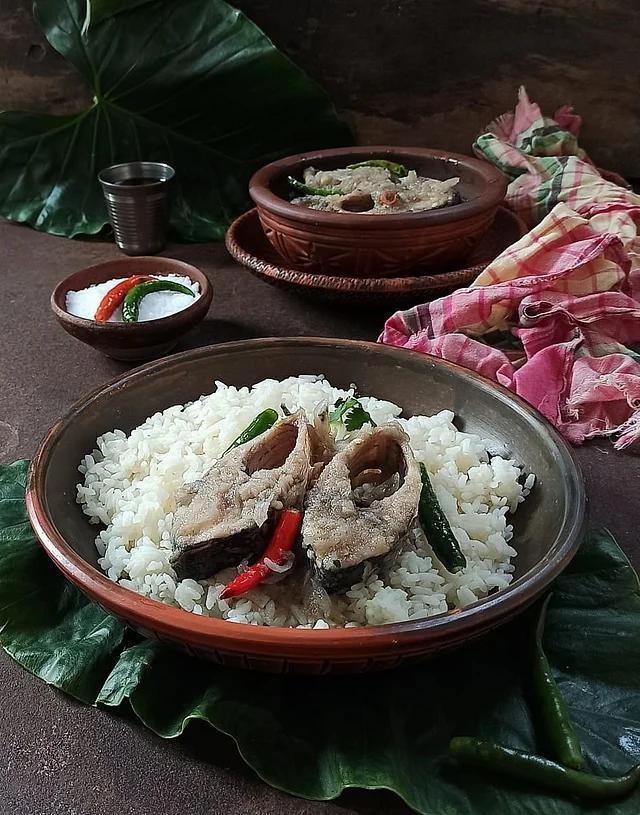
- Eat natural, unprocessed foods: vegetables, fruits, whole grains, fish, nuts
- Follow a balanced plate:
- 50% vegetables
- 25% protein (fish, lentils, eggs)
- 25% carbohydrates (rice, whole grains)
- Reduce:
- Processed food
- Excess salt, sugar, and oil
- Drink 2.5–3 liters of water daily
- Include traditional foods (like মাছ-ভাত-সবজি) which are nutritionally balanced
👉 Many lifestyle diseases are caused by poor diet, not lack of medicine.
B. Regular Physical Activity (Natural Therapy)


7
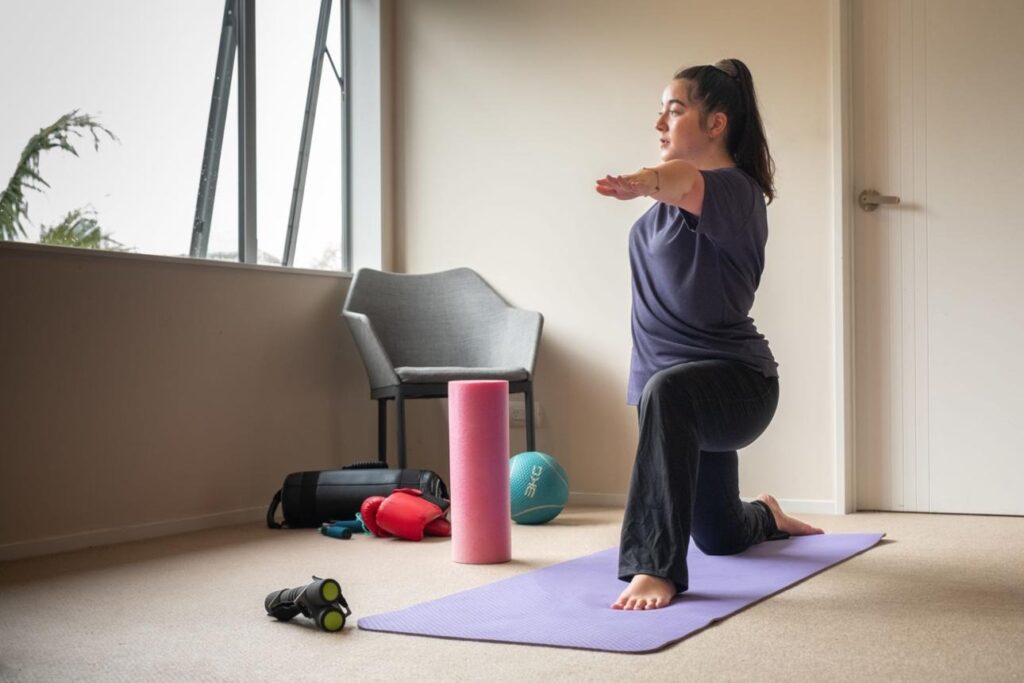
- Minimum 30 minutes daily activity
- Simple options:
- Walking (best and safest)
- Light jogging or cycling
- Yoga or stretching
- Benefits:
- Improves heart health
- Controls blood sugar
- Reduces need for BP and diabetes medication
👉 Sitting is the new disease—movement is the cure.
C. Sleep & Biological Rhythm



9
- Sleep 6–8 hours daily
- Sleep early (before 11 PM if possible)
- Avoid mobile screens before bed
- Poor sleep leads to:
- Hormonal imbalance
- Increased stress
- Higher medicine dependency
D. Mental Health & Stress Control


6
- Practice:
- Meditation or prayer
- Deep breathing
- Family/social interaction
- Reduce:
- Loneliness
- Overthinking
- Engage in:
- Reading
- Community activities
👉 Mental stress is a silent cause of physical illness.
E. Preventive Health Monitoring
- Regular checkups (every 6–12 months)
- Monitor:
- Blood pressure
- Blood sugar
- Weight/BMI
- Early detection reduces need for heavy medication later
3. Smart Medicine Reduction Strategy (Important)
Do NOT stop medicine suddenly.
- Gradually reduce medicine under doctor supervision
- Combine:
- Lifestyle improvement + medical monitoring
- Example:
- Mild hypertension → lifestyle change → gradual dose reduction
- Use medicine when necessary, but avoid unnecessary long-term dependence
4. Daily Routine Model (Practical)
- Fajr/Early Morning: Wake up, light exercise, fresh air
- Morning: Healthy breakfast
- Daytime: Active work, hydration
- Evening: Walk + family time
- Night: Light dinner + early sleep
5. Key Professional Advice
- Medicine treats symptoms; lifestyle treats root causes
- Prevention is always cheaper and safer than treatment
- Consistency matters more than intensity
6. Special Note for Bangladesh Context
- Utilize:
- Fresh local vegetables and মাছ
- Outdoor walking spaces
- Avoid:
- Excess street food and तेलযুক্ত খাবার
- Maintain:
- Hygiene and clean water consumption
Final Thought
A healthy life without heavy medicine is not about avoiding doctors—it’s about reducing the need for them through disciplined living. If you build strong daily habits, your body will require less external intervention.